
Surfaces with Aesthetic Intelligence
Sculptural Imaging
Surfaces with Aesthetic Intelligence
Technology inspired by nature, driven by artistic design, and scientific innovation.
Sculptural Imaging
Surfaces with Aesthetic Intelligence
Technology inspired by nature, driven by artistic design, and scientific innovation.
Our Work
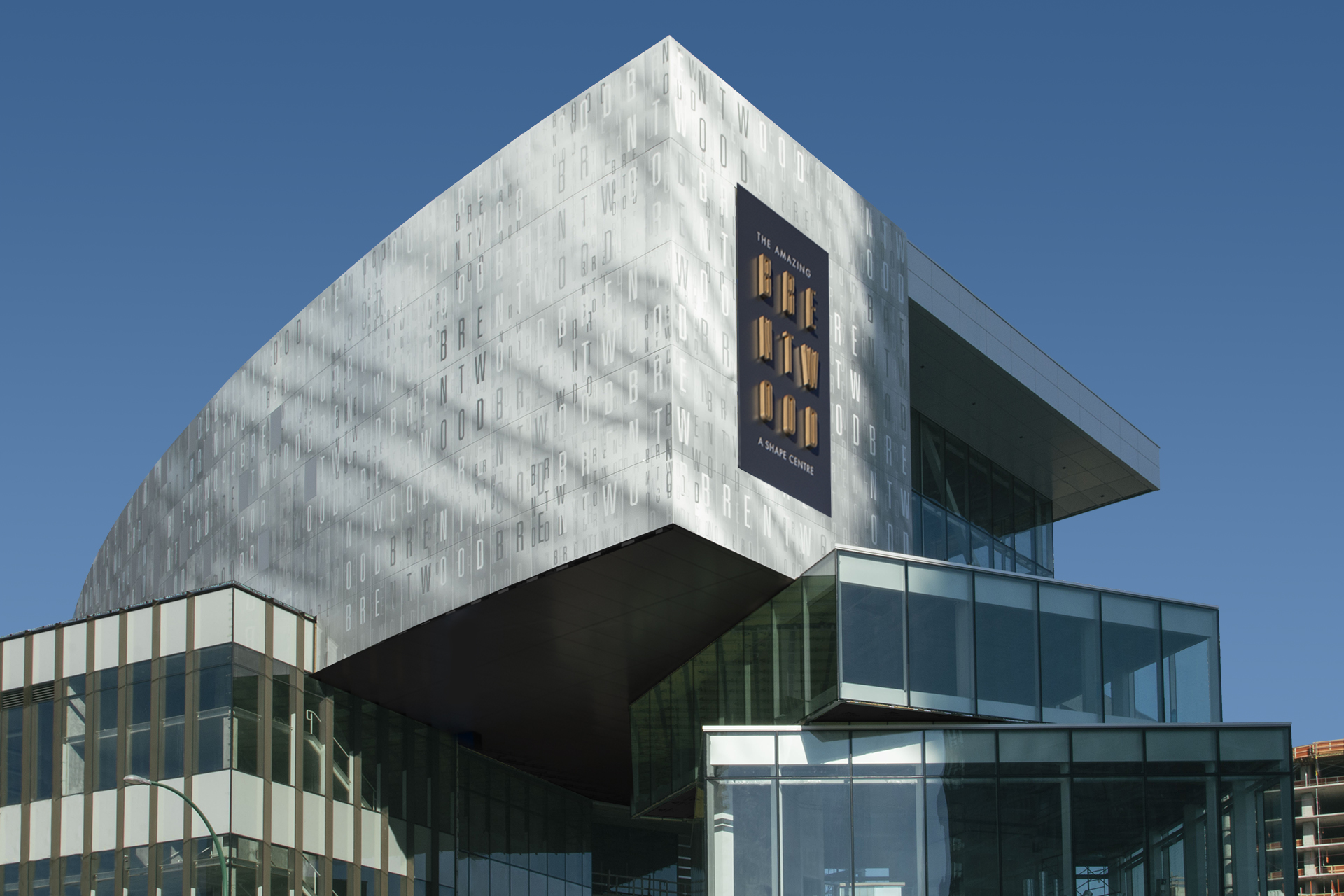
With a portfolio spanning over a decade of work, four continents, and projects ranging from large-scale architectural façades to building interiors and automotive trim applications, Ombrae surfaces are now finding their way into product design, such as sporting goods and fashion accessories. Limited only by imagination, Ombrae technology continues to flourish and grow into new fields and applications.
Meet Ombrae Studios
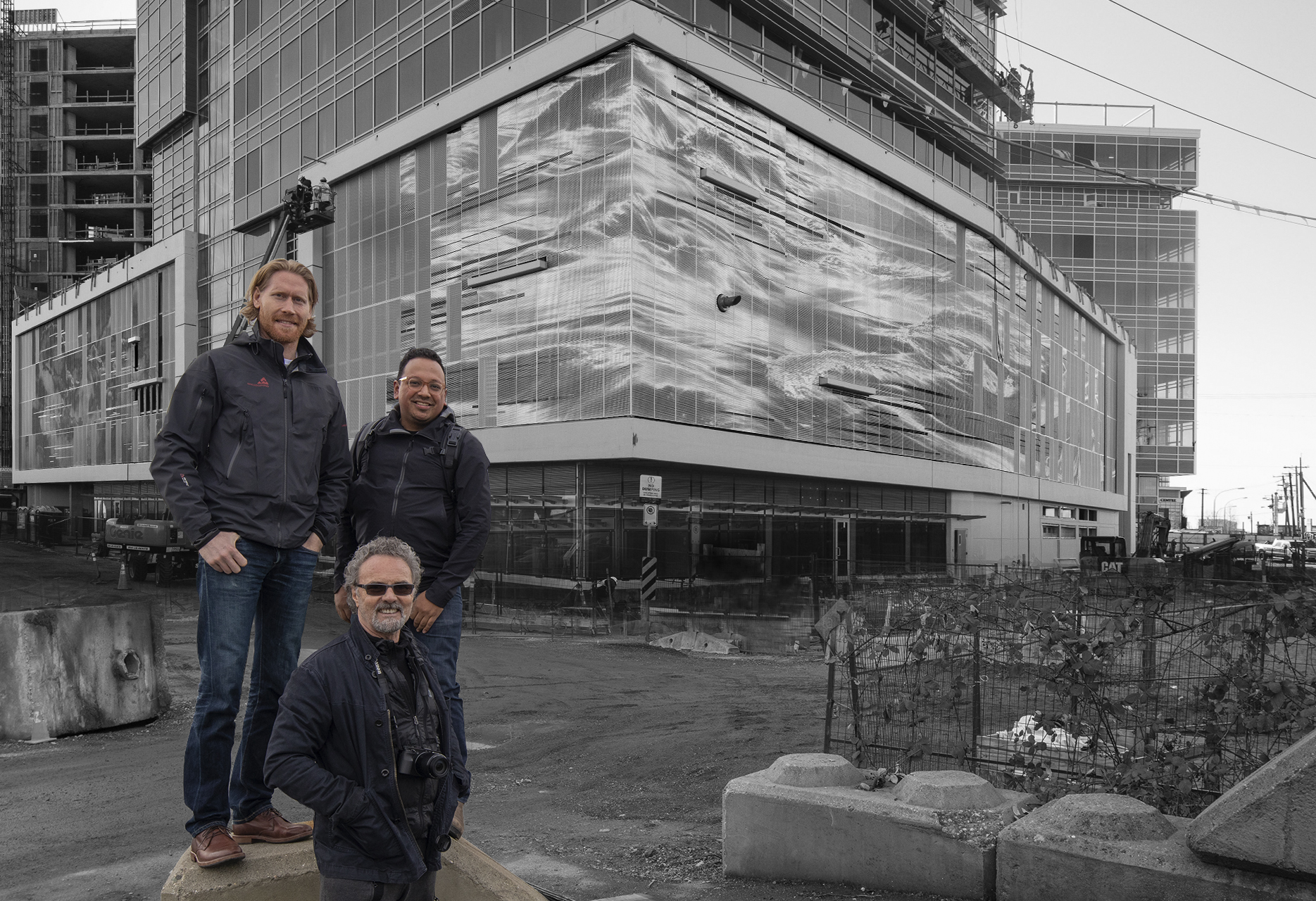
With the perfect balance of skills and people, together we have built the company from a small focused team with a tremendous reach into an internationally recognized creative force in architecture, automotive, and product design.
Meet Ombrae Studios
With the perfect balance of skills and people, together we have built the company from a small focused team with a tremendous reach into an internationally recognized creative force in architecture, automotive, and product design.
Stay in the loop, subscribe to our
Newsletter
Get access to the latest news & projects
Ombrae Studios